
Interior design feels overwhelming because it combines emotion, money, time, and taste, all at once.
You might have:
- Screenshots saved everywhere
- Tabs open for furniture you’re unsure about
- A growing list of things you know aren’t working
- And a constant feeling that you’re about to make the wrong decision
Here’s the truth most people don’t realize:
Feeling overwhelmed doesn’t mean you’re bad at design. It means you care.
Overwhelm isn’t a stop sign. It’s simply a sign that you need structure.
Let’s break this down into a calm, doable starting point.
Why Interior Design Feels So Overwhelming
Before we talk about what to do, it helps to understand why this feels so hard.
Most homeowners feel overwhelmed because:
- There’s too much inspiration and not enough direction
- Every decision feels expensive and permanent
- You’re trying to design for your entire home at once
- You’re aiming for a “finished” look without a clear plan
The issue isn’t your taste.
The issue is starting without a framework.
Step One: Pause Before You Purchase
If you’re feeling overwhelmed, the most helpful thing you can do is… stop shopping.
Buying pieces without a plan often creates more stress, not less. It leads to rooms that feel close-but-not-quite-right.
Instead, pause and ask one grounding question:
“What do I want this room to support in my daily life?”
Not how you want it to look, but how you want it to feel and function.
Calm mornings?
Easier evenings?
More space to gather?
A sense of quiet at the end of the day?
This question becomes your anchor.
Step Two: Choose One Room and Not the Whole House
One of the fastest ways to spiral is trying to design everything at once.
Designing one room at a time:
- Reduces decision fatigue
- Creates momentum
- Helps clarify your personal style
- Makes the process feel manageable
Choose the room that:
- You use most often, or
- Is causing the most daily frustration
A finished, thoughtful space does more for your confidence than five half-started rooms ever will.
Step Three: Define Function Before Style
Think of your home like a quiet partner in your daily habits.
Before choosing colours, furniture, or decor, get clear on how the room actually needs to work.
Ask yourself:
- Who uses this space?
- What activities happen here every day?
- What feels frustrating or awkward right now?
When function is clear, style decisions become far easier. You’re no longer guessing, you’re choosing with intention.
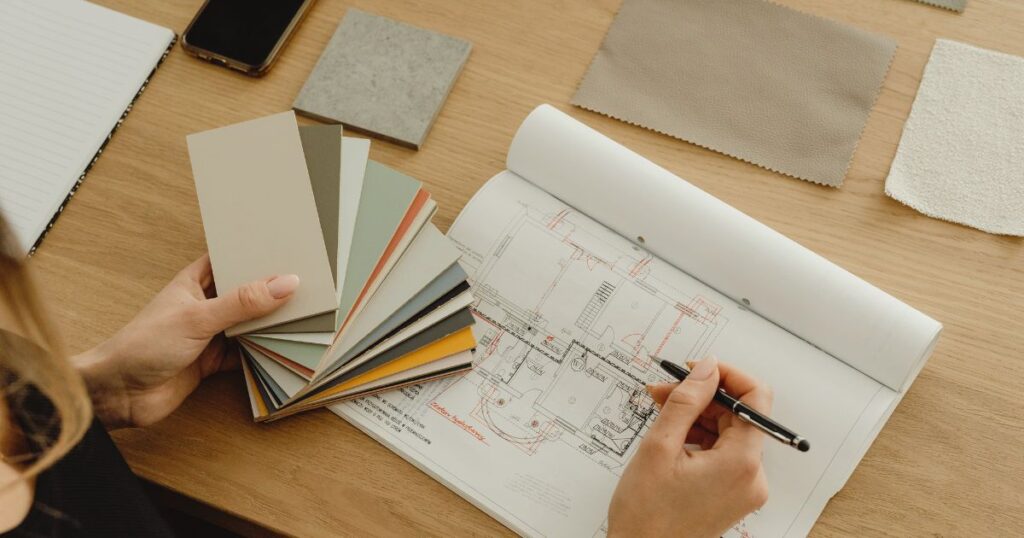
Step Four: Create a Simple Plan (Not a Perfect One)
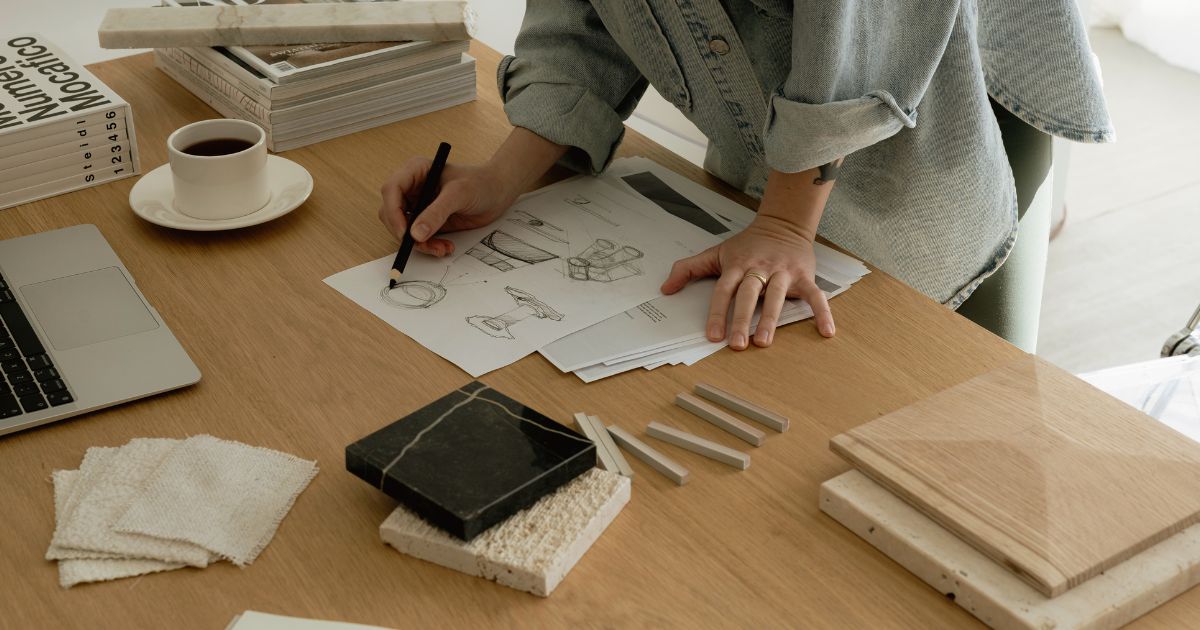
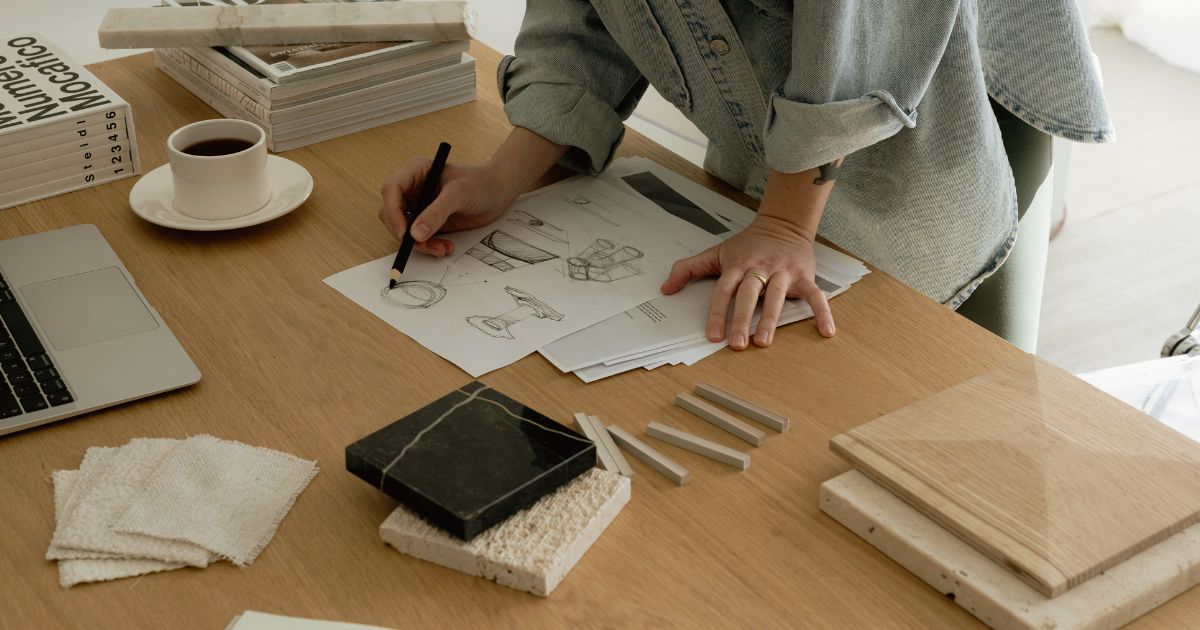
You don’t need a full renovation plan or a Pinterest-worthy mood board to move forward.
A simple plan includes:
- A functional layout that makes sense
- The key furniture pieces the room needs
- Supporting layers like lighting, textiles, and art
The goal isn’t perfection.
The goal is clarity.
A plan gives you permission to move forward confidently instead of second-guessing every decision.
Let’s make a plan together? – Book a complimentary 15-minute quick chat to start!
When to Ask for Help (and Why It’s a Smart Move)
Many people wait to hire a designer until they’re completely stuck, or after they’ve made costly mistakes.
Working with a designer early can:
- Save time and money
- Reduce overwhelm and decision fatigue
- Help you avoid expensive missteps
- Turn a stressful process into an enjoyable one
Support doesn’t mean you’ve failed. It means you value your time, energy, and home.
Final Words:
You don’t need to have everything figured out to begin. You just need a thoughtful starting point.
If you’d like guidance, clarity, and a plan you can trust, my Dream Room in a Day service is designed to take you quickly from overwhelmed to confident.
Your home should support you, not add to your stress.
Ready to get started? Let’s chat!