Most homes are designed around what already exists, our current routines, our busy schedules, and the pieces we’ve collected over the years. But what if your home was shaped not only by where you are today, but by where you want to go?
What if every room supported the version of you that you’re growing into?
Designing a home for the life you want to live is both practical and deeply personal. It’s about aligning your environment with your goals, values, and daily rhythms so that your space isn’t just “nice”, it’s purposeful.
Below, I’m sharing how you can begin creating a home that truly supports the next chapter of your life.
1. Start With Your Future Self
Before choosing paint colors or thinking about furniture, pause and consider this question:
Who are you becoming? What does your life look like six months from now? One year? Five years?
Maybe you want:
- Slower mornings with less rushing
- More connection with your family
- A creative space that fuels inspiration
- Healthier habits
- A calmer, more organized home
- Space to host friends without stress
Your home should actively encourage the habits and feelings you want more of. If you want peaceful mornings, create a cozy corner where you can sit in quiet. If you want family connection, design a living area that brings everyone together. If you want creativity, carve out a space, even a small one, that invites you in.
Your environment can gently nudge you toward the life you’re building.

2. Edit What No Longer Fits
You don’t have to declutter everything at once. Instead, try editing your home with one simple le:
“Does this belong to the life I want to live?”
If an item feels heavy, past its season, or doesn’t support who you’re becoming, give yourself permission to let it go.
This isn’t about minimalism, it’s about alignment.
When your home only contains what you use, love, and feel good around, it creates space for new energy and new opportunities.
3. Design Through the Lens of Emotion
Instead of starting with décor decisions, ask yourself:
“How do I want this room to make me feel?”
Calm? Energized? Inspired? Connected? Cozy?
Once you know the emotion, the design choices become obvious:
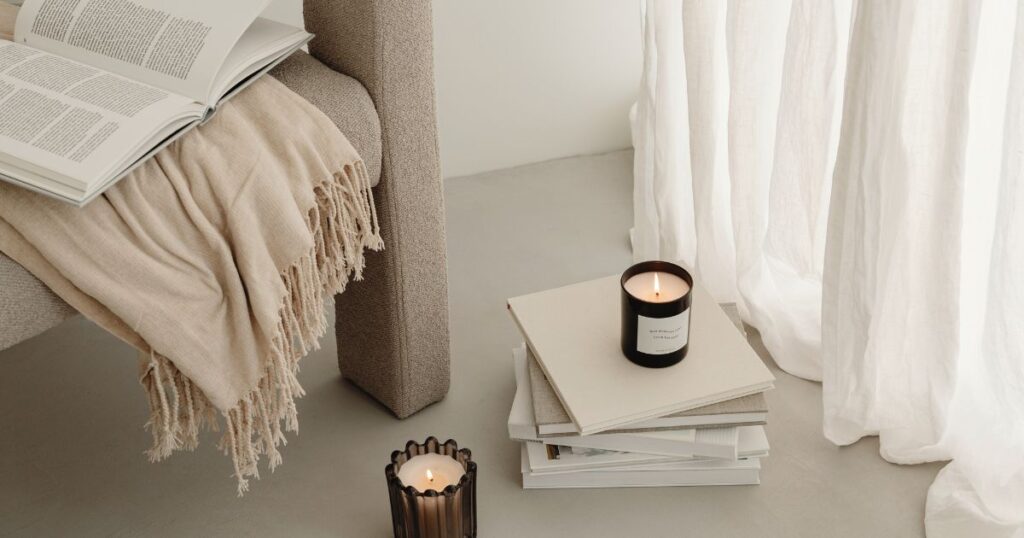
- Cozy might mean layered textures, warm lighting, and a layout that encourages you to linger.
- Energizing might mean open space, clean surfaces, and brighter palettes.
- Creative might mean a desk near natural light, visual inspiration on the walls, or clear storage containers full of art supplies.
When you design with emotion at the center, your home becomes a tool, not just a container.
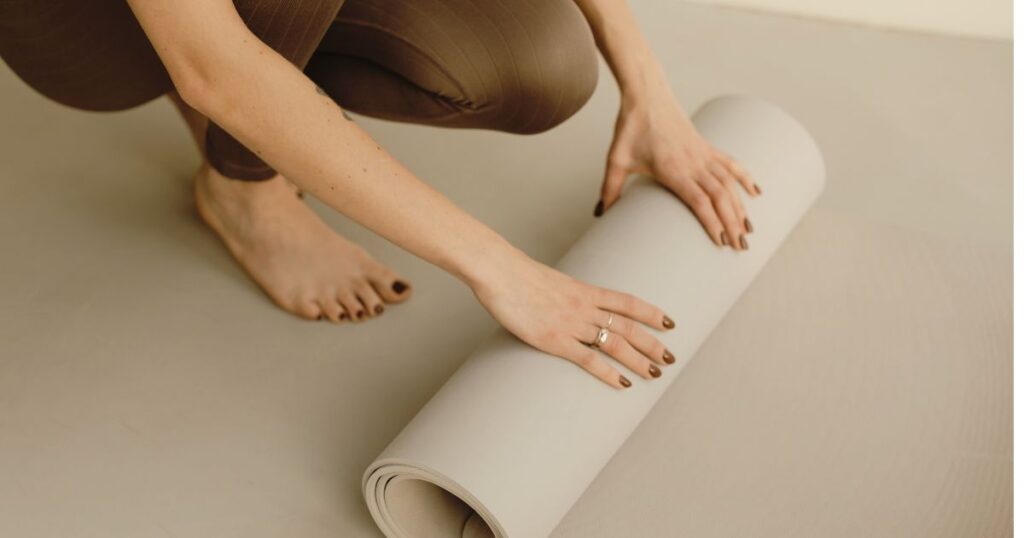
4. Build Routines Into the Layout
Think of your home like a quiet partner in your daily habits.
If you want to stretch in the morning, leave a mat in a visible place.
If you want to meal prep on Sundays, make your kitchen easy to navigate.
If you want to read more, put books where you naturally sit.
Spaces that support routines make good habits easier and stressful moments fewer.
Let’s create a home that feels good! – Book a quick 15-minute quick chat to get started!
5. Make Room for What You Love
Your home should reflect your life, your stories, and the things that fill you up. Display your art, your travel finds, your family memories. Use the good dishes on a Tuesday. Put your creativity in the open instead of hiding it in bins.
When your home shows your values, it becomes grounding.
When it shows your dreams, it becomes motivating.
When it shows your story, it becomes uniquely yours

6. Let Your Home Evolve With You
You are always changing, and your home can, too.
You don’t need to redesign everything overnight.
Start with one small corner, one room, or one habit.
Every adjustment you make is a step toward a home that feels like it’s working with you, not against you.
Final Thoughts:
When your surroundings are aligned with who you’re becoming, everything feels a little easier: your mornings, your routines, your rest, your creativity, your joy.
Your home can inspire you, encourage you, and carry you forward.
And if your current space doesn’t quite support the life you imagine?
That’s where the transformation begins.
Ready to get started? Let’s chat!